
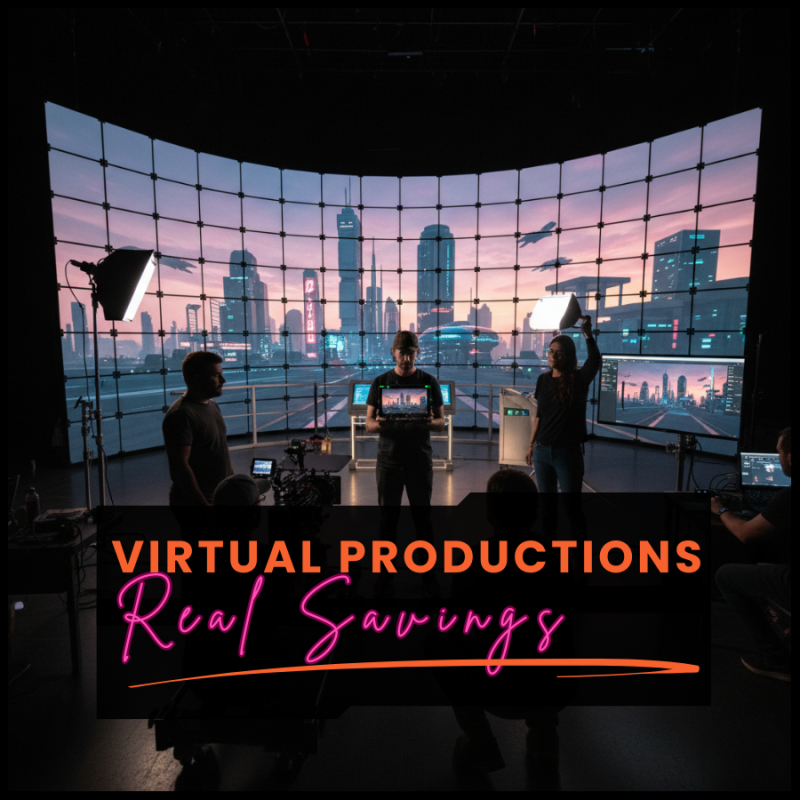
In the past, virtual production was a luxury reserved for blockbuster studios. But today, indie filmmakers are discovering innovative ways to harness its power—without emptying their wallets. From LED walls to Unreal Engine environments, virtual production opens up new creative horizons for storytelling, even when resources are tight.
Here’s how you can make it work for your next indie film.
1. Start Small with Previsualization (Previs)
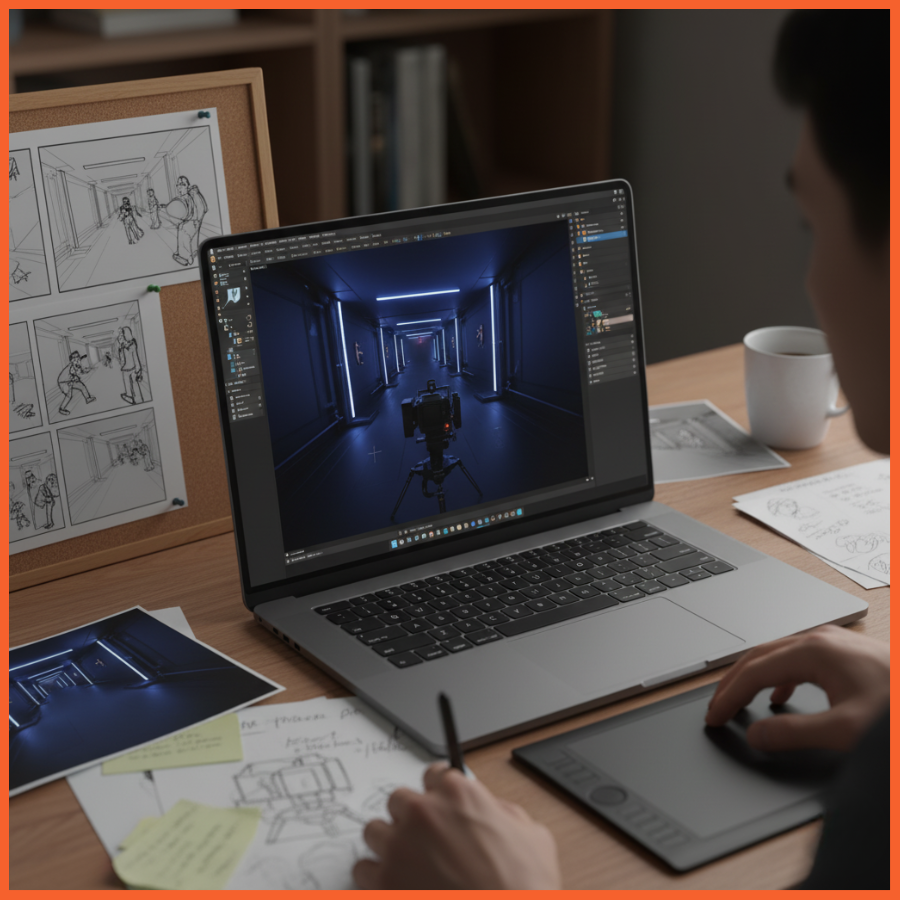
You don’t need expensive gear to start using virtual production. Begin by applying its simplest form: previsualization.
Using software like Unreal Engine, Blender, or FrameForge, you can create digital storyboards and test camera moves in 3D before you ever hit record.
🎬 Benefits:
- Saves time on set by resolving blocking and lighting issues early.
- Helps communicate your vision clearly to the crew.
- Prevents costly mistakes in shooting order and camera placement.
Even a laptop with moderate specs can run basic previs scenes. Think of it as your sandbox—where you can experiment freely before committing real-world resources.
2. Use LED Screens Strategically
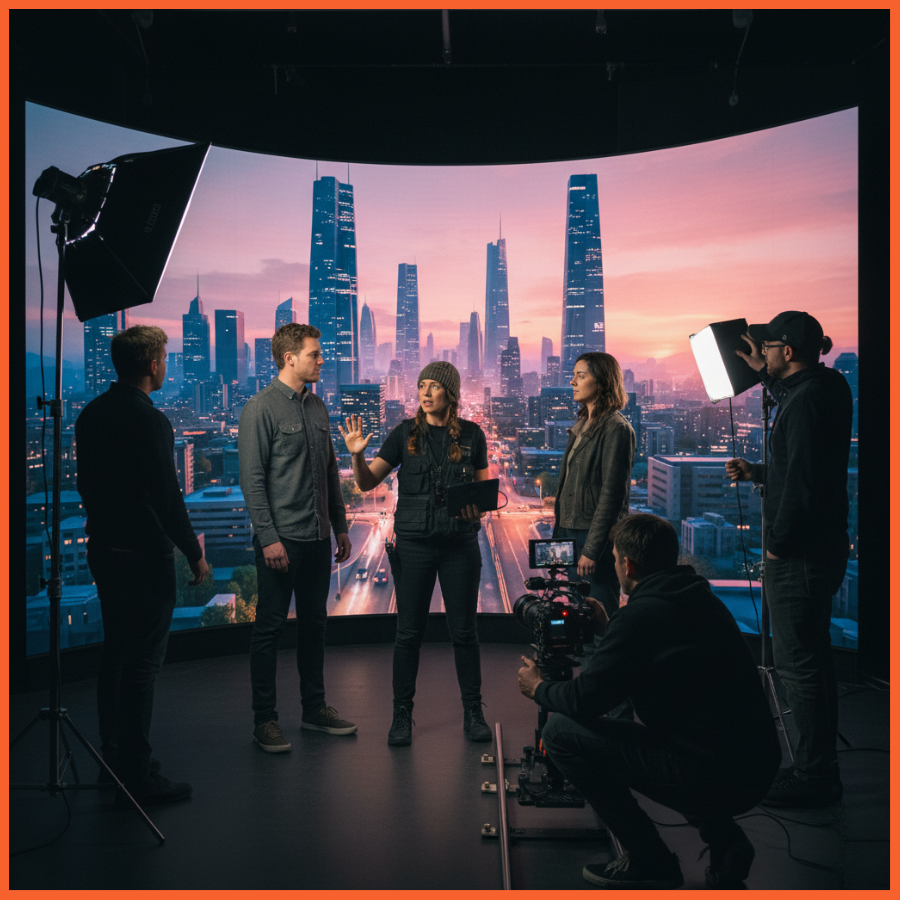
LED volume stages are revolutionizing filmmaking—but they can be expensive to rent. The trick? Use them selectively.
Instead of shooting your entire film in an LED environment, use it for key sequences that would otherwise be impossible or costly to achieve.
For instance:
- A car scene with moving backgrounds instead of green screen compositing.
- Exterior landscapes that would require expensive travel.
- Sci-fi or fantasy settings built virtually for a single key moment.
💡 Pro Tip: Partner with local production facilities or universities experimenting with LED stages. Many offer discounted rates to indie creators or student filmmakers.
3. Blend Practical and Virtual Elements
You don’t need to choose between real and virtual—hybrid filmmaking gives you the best of both worlds.
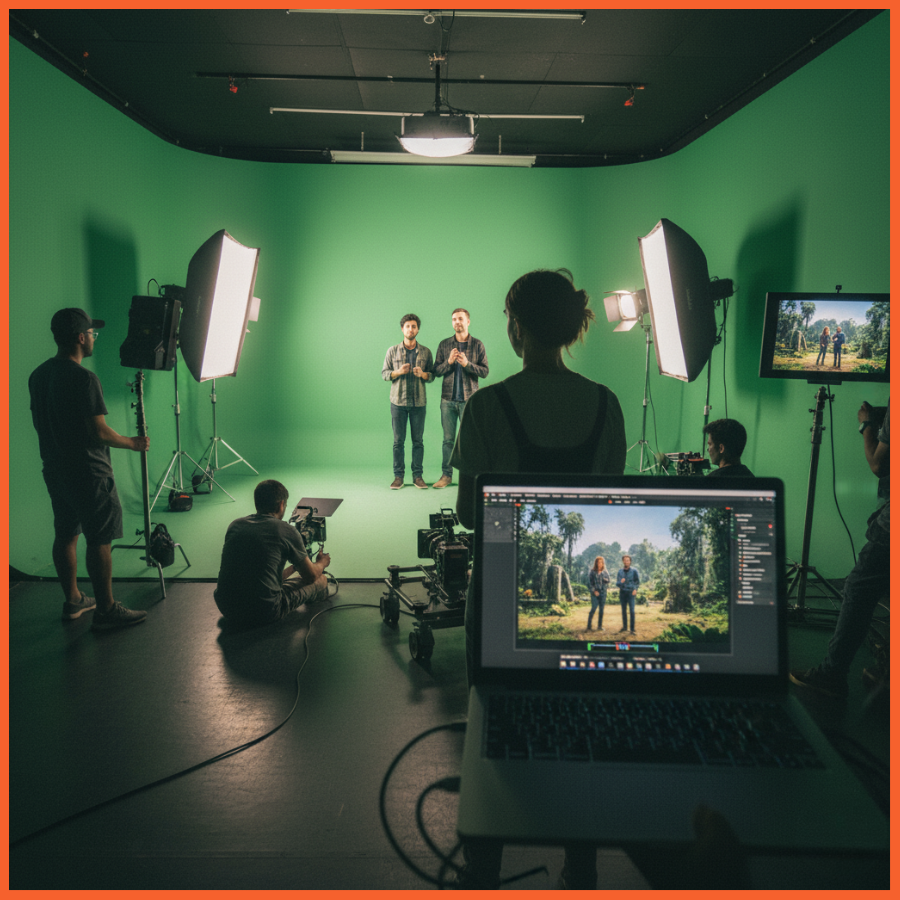
Shoot actors on practical mini-sets enhanced by digital backgrounds. Combine greenscreen shots with virtual matte paintings or augmented-reality overlays.
This approach maintains realism while expanding your world without inflating your costs.
💡 Example:
Build a small section of a spaceship interior, then extend the rest digitally in Unreal Engine. The tactile surfaces help performances feel grounded, while the digital extension gives you cinematic scope.
4. Build or Rent a Minimal Virtual Set
A virtual set doesn’t need to be an LED wall. You can create immersive environments using green screens, rear projections, or even affordable projector setups.
🎥 Budget-friendly strategies:
- Use projectors for dynamic lighting and realistic reflections.
- Rent small green-screen studios for a few key scenes.
- Reuse virtual assets from open-source libraries or marketplaces like TurboSquid and Sketchfab.
Even a limited space can become multiple locations with smart lighting, camera framing, and well-designed digital backgrounds.
5. Collaborate with Virtual Production Artists
The virtual production community is growing—and full of talented creators eager to collaborate. Many Unreal Engine artists, VFX students, and virtual cinematographers are looking for portfolio projects.
Reach out through:
- Online communities like ArtStation, Unreal Slackers, or Reddit’s r/Filmmakers.
- Film schools and tech meetups where digital artists gather.
- LinkedIn or Discord groups for indie creators.
A collaborative partnership can elevate your visuals without the major cost of hiring a studio. Offer shared credit, behind-the-scenes content, or future collaboration opportunities in exchange for reduced rates.
The Indie Advantage: Creativity Over Cost
Virtual production isn’t about competing with Hollywood—it’s about leveraging new tools creatively. By using previs, LED backdrops strategically, and mixing real and virtual elements, you can craft cinematic worlds that feel far bigger than your budget.
Your imagination, not your funding, defines your limits.
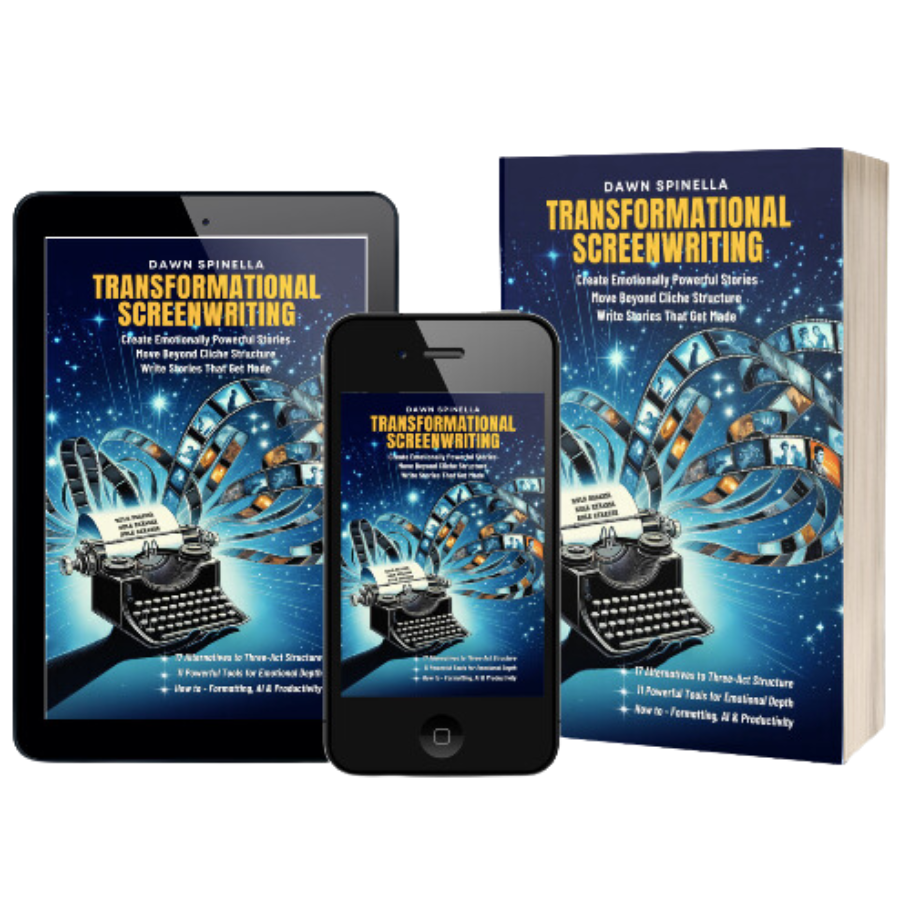
Transformational Screenwriting
At the Independent Film Arts Academy (IFAA), we believe filmmaking innovation begins with powerful storytelling. Before you explore virtual worlds, make sure your story’s emotional foundation is solid.📘 Discover how to write scripts that captivate audiences and attract collaborators—check out Transformational Screenwriting on Amazon.
Learn how to build stories that move people, inspire performances, and translate beautifully into any filmmaking medium—from practical sets to virtual worlds.