
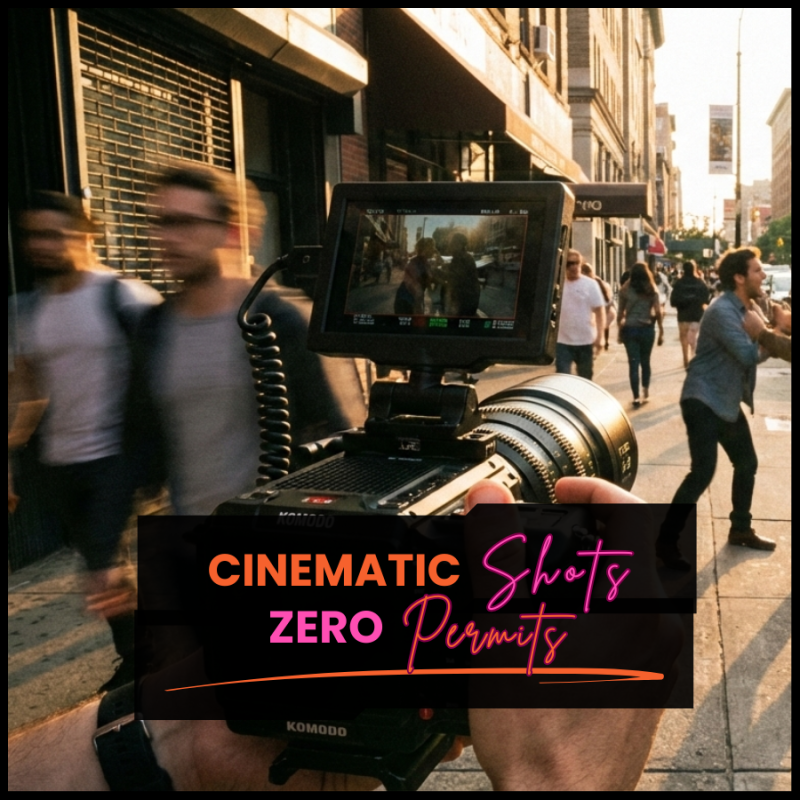
Independent filmmakers often face a familiar challenge: how do you capture cinematic visuals when you don’t have permits, big crews, or access to controlled locations?
Run‑and‑gun filmmaking—shooting quickly, lightly, and often guerrilla‑style—has become a defining approach for indie storytellers working with limited resources. When done thoughtfully and ethically, it allows filmmakers to capture authentic environments, spontaneous performances, and visually compelling moments that would otherwise be impossible on a micro‑budget.
The key is not recklessness, but intentional minimalism—using smart preparation, lightweight gear, and creative framing to achieve cinematic results while staying mobile and respectful of public spaces.
Here are six powerful run‑and‑gun filmmaking tricks that can elevate your visuals without permits, large crews, or expensive setups.
1. Design Shots for Natural Light First
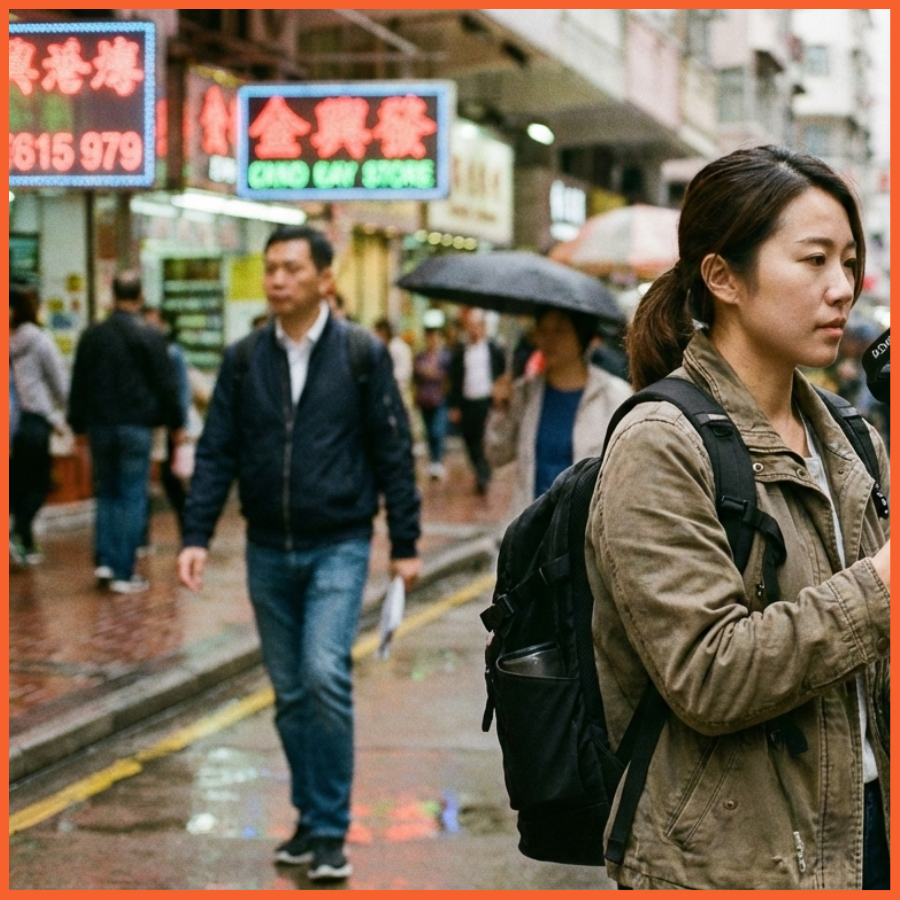
Natural light is the greatest ally of permit‑free filmmaking. Instead of fighting the environment with heavy lighting gear, design your scenes around existing light sources:
- Shoot during golden hour for soft, cinematic contrast and warm tones.
- Use window light to create depth and direction indoors.
- Position actors so light naturally shapes their faces and movement.
- Scout locations at the exact time of day you plan to film.
When your lighting is motivated by reality, the image feels grounded and professional—even without a single light stand.
2. Keep Your Camera Package Invisible and Lightweight
Large rigs attract attention and slow you down. Run‑and‑gun success depends on mobility and discretion.
Consider:
- Mirrorless or compact cinema cameras instead of full studio builds.
- Small prime lenses for shallow depth and portability.
- Handheld stabilization like a compact gimbal or shoulder brace.
- Minimal accessories—only what you truly need to capture the shot.
A smaller footprint lets you move quickly, adapt to changing environments, and capture moments before they disappear.
3. Block Performances for Real Locations, Not Ideal Ones
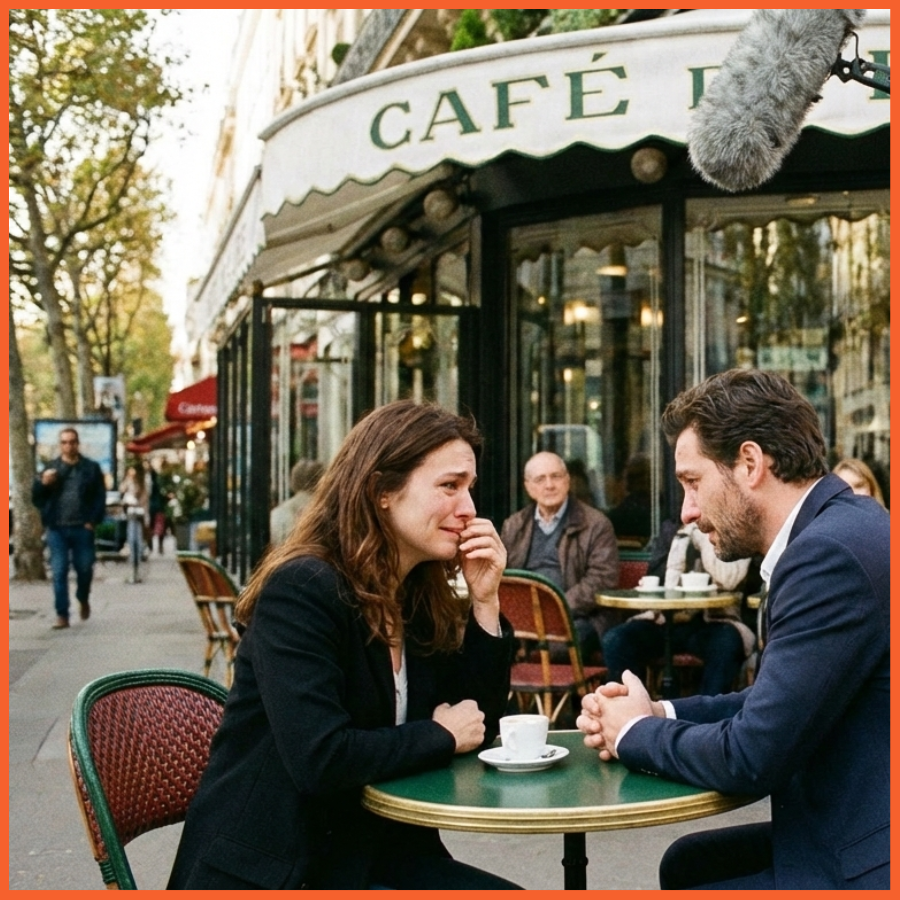
Traditional blocking assumes total control of space. Run‑and‑gun filmmaking flips that mindset: the location leads, and performance adapts.
To make this work:
- Rehearse movements that fit naturally within public environments.
- Use walking dialogue to create energy and avoid static framing.
- Embrace background activity as texture rather than distraction.
- Frame tightly to remove unwanted visual noise.
When actors feel integrated into real spaces, authenticity replaces artificial production value.
4. Capture Coverage That Prioritizes Editing Flexibility
Fast shooting doesn’t mean careless shooting. You still need edit‑friendly coverage that protects the story in post‑production.
Focus on:
- Strong wide shots to establish geography quickly.
- Clean mediums and close‑ups for emotional clarity.
- Natural cutaways from the environment—hands, signs, movement, textures.
- Short, efficient takes that reduce attention from bystanders.
Smart coverage ensures your scene feels intentional rather than improvised.
5. Record Clean Audio Without Drawing Attention
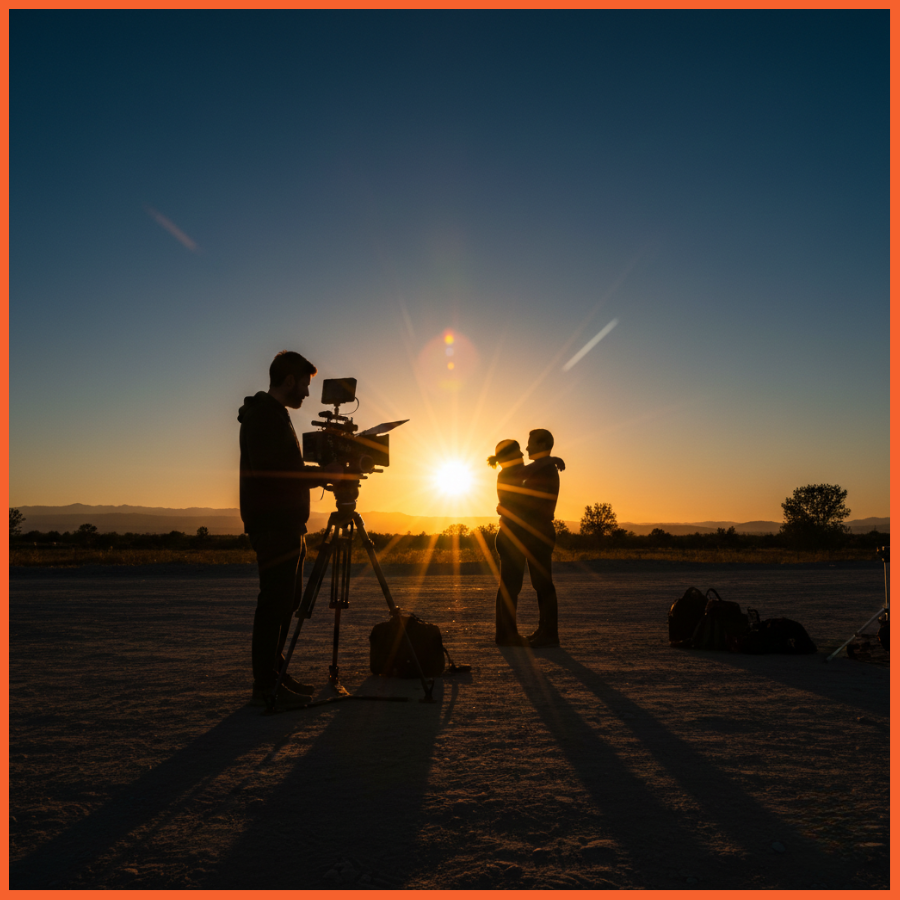
Poor audio exposes low‑budget filmmaking instantly. The challenge is capturing professional sound while staying discreet.
Effective solutions include:
- Lavalier microphones hidden under wardrobe.
- Compact on‑camera shotgun mics for backup audio.
- Recording wild lines in a quieter nearby space.
- Choosing locations with predictable ambient sound instead of chaos.
Audiences forgive rough visuals far faster than they forgive bad sound. Prioritize audio clarity every time.
6. Plan Like a Studio Shoot—Execute Like a Documentary
The biggest misconception about run‑and‑gun filmmaking is that it’s unplanned. In reality, the most successful guerrilla shoots rely on precise preparation.
Before filming:
- Storyboard or shot‑list every essential moment.
- Scout entry and exit paths for quick movement.
- Limit crew size to only critical roles.
- Schedule scenes during low‑traffic time windows.
Then, once cameras roll, stay flexible—react to real‑world energy, unexpected visuals, and spontaneous performance details.
Preparation creates safety. Flexibility creates magic.
Ethical and Practical Considerations
Run‑and‑gun filmmaking should always remain respectful and responsible:
- Follow local laws regarding filming in public spaces.
- Avoid obstructing businesses, pedestrians, or private property.
- Be transparent if someone asks about filming.
- Prioritize safety for cast, crew, and the public.
Cinematic storytelling should never come at the cost of community trust or personal safety.
Limitations Can Create Cinematic Freedom
Some of the most powerful images in indie cinema were captured without permits, cranes, or large crews. What made them unforgettable wasn’t scale—it was intentional storytelling, emotional framing, and creative adaptability.
Run‑and‑gun filmmaking is not just a budget workaround. It’s a creative philosophy that values speed, authenticity, and emotional immediacy. When used with care and preparation, it can transform everyday locations into deeply cinematic worlds.
Your next unforgettable shot might not require permission—just vision.
Transformational Screenwriting

Cinematic images gain true power when they support meaningful character transformation. Transformational Screenwriting explores how emotional structure, internal conflict, and thematic purpose shape stories that resonate far beyond visuals alone
By aligning your filmmaking choices with deeper character change, even the smallest production can create a lasting audience impact.
Great cinema isn’t defined by budget. It’s defined by transformation.
📘 Explore deeper storytelling craft in Transformational Screenwriting, available on Amazon.