
Why Mood Boards Matter?
As an indie filmmaker, your vision is your compass. But translating what’s in your head into something your crew can see, feel, and build upon—that’s where the real challenge begins. One of the most effective tools for communicating your creative direction is the film mood board.
Whether you’re directing a team of seasoned professionals or working with friends on a passion project, mood boards help align everyone visually and emotionally before the camera ever rolls.
What Is a Film Mood Board?
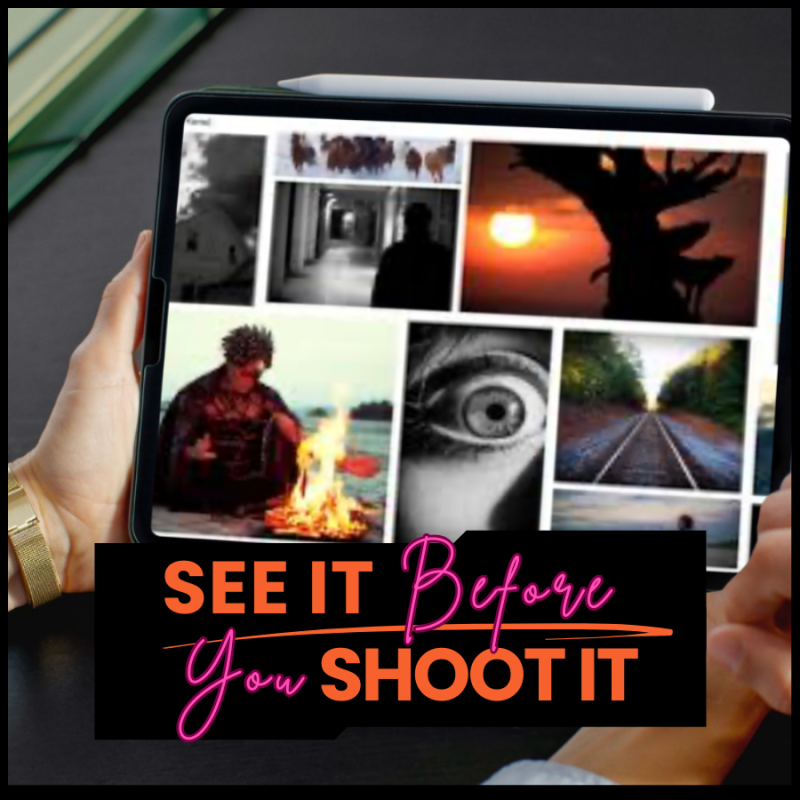
A mood board is a visual collage of references—images, color palettes, textures, typography, lighting cues, and even wardrobe ideas—that reflect the tone, style, and atmosphere of your film. It’s not a shot list or storyboard—it’s the feeling behind the scenes you want to create.

Mood boards are especially useful during pre-production, when collaboration is key and abstract ideas need to become tangible, quickly.
1. Define Your Mood Board’s Purpose
Start by identifying what your mood board needs to communicate. You can build boards around:
- Overall tone: What’s the emotional undercurrent of the story?
- Color palette: What hues dominate each scene or location?
- Lighting and texture: Harsh and contrasty, or soft and natural?
- Production design: What do the sets, props, and wardrobe evoke?
- Character style: What vibe does each main character give off?
You don’t need to include everything on one board—create separate boards for different departments (e.g., production design, wardrobe, cinematography) if needed.
2. Gather Visual References
Don’t just grab pretty images—gather with intention. Look for visuals that reflect your script’s emotional beats and genre style. Great sources include:
- Photography blogs
- Art books and cinema stills
- Fashion editorials
- Frame grabs from reference films
Pro tip: Always credit your sources, especially if you share your boards publicly or in pitch decks.

3. Use Digital Tools or Go Old School
Depending on your workflow, you can create mood boards using:
- Canva: Easy drag-and-drop interface with free templates
- Pinterest: Great for collaborative pinning and organizing
- Milanote: Designed specifically for creative planning
- Adobe Illustrator or Photoshop: More custom and design-focused
- Physical Boards: Print images and pin them to a wall for in-studio inspiration
Choose a format that’s accessible to your team and easy to update as your vision evolves.
4. Match Script & Mood
The best mood boards feel like an extension of your screenplay. Revisit your script and highlight key moments:
- What visual tone does each act require?
- Are there shifts in mood that should be reflected?
- Do certain characters have unique visual arcs?
This connection ensures your mood board isn’t just aesthetically pleasing—it’s narratively grounded.

5. Share and Discuss with Key Crew
Once your board is ready, present it to your core team—cinematographer, production designer, costume designer, and even actors. Use it as a conversation starter:
- “Does this image capture the emotional tone of this scene?”
- “Could this lighting reference work for our budget?”
- “What texture or color here feels right for this character?”
Collaboration is key. A mood board shouldn’t dictate—it should inspire.
6. Update It as the Project Evolves
Mood boards aren’t static. As casting is finalized, locations change, or new ideas emerge, revisit your boards and tweak as needed. Think of them as living documents that grow with your film.
Mood Boards in Action:
Some of the most visually compelling indie films started with simple, powerful mood boards. Think:
- Moonlight (2016): Rich color palettes and intimate framing
- Lady Bird (2017): Soft tones with personal, nostalgic vibes
- The Florida Project (2017): Juxtaposition of childlike color with harsh realities
These films use visual tone as storytelling language—and it starts at the planning phase.
Mood Board = Vision Map
Film is a visual medium, and mood boards help translate your abstract ideas into something shareable, consistent, and compelling. Whether you’re trying to get your DP on the same page or pitch your film to investors, a strong mood board says: “This is the world we’re creating.”
Transformational Screenwriting

At the Independent Film Arts Academy, we believe story and visual tone go hand in hand. Our free resource, Transformational Screenwriting, helps you connect your emotional themes to every visual and narrative choice you make.