

Independent filmmakers rarely fail because of lack of talent. More often, films struggle because the right audience never finds them. In today’s crowded digital landscape, traditional advertising is expensive, saturated, and often ineffective for indie projects.
That’s where micro-influencers come in.
Micro-influencers—creators with smaller but highly engaged audiences—offer indie filmmakers an authentic, affordable, and targeted way to build awareness, generate buzz, and create genuine connections around their films. When used strategically, they can become one of the most powerful tools in your film marketing arsenal.
Here’s how to leverage micro-influencers effectively—without blowing your budget or compromising your creative integrity.
1. Understand Why Micro-Influencers Work for Indie Films
Micro-influencers typically have between 1,000 and 50,000 followers, but what they lack in size, they make up for in trust and engagement.

Their audiences tend to:
- Be niche-focused and interest-driven
- Actively engage with comments and recommendations
- Value authenticity over polished ads
For indie films—especially those that appeal to specific communities, genres, or themes—this alignment is gold. A heartfelt recommendation from a trusted voice often outperforms a paid ad with ten times the reach.
2. Identify Influencers Who Align with Your Film’s Core Themes
Not every influencer is right for your project—and that’s a good thing.
Instead of chasing follower counts, look for creators who already speak to:
- Your genre (horror, drama, documentary, experimental)
- Your themes (identity, justice, love, transformation)
- Your audience (film students, creatives, activists, niche fandoms)
For example:
- A coming-of-age indie drama may connect better with lifestyle storytellers or mental health advocates.
- A social-issue documentary benefits from educators, journalists, or nonprofit-focused creators.
- A genre film thrives with niche reviewers and cult film enthusiasts.
Alignment matters more than popularity.
3. Build Relationships Before You Pitch
The fastest way to be ignored? Cold pitching with a generic message.

Instead, warm the connection:
- Follow the influencer and engage with their content genuinely
- Comment thoughtfully—not promotional spam
- Share or reference posts that resonate with your film’s message
When you do reach out, personalize your message. Mention why their content aligns with your film and what specifically drew you to their work. Respect builds trust—and trust opens doors.
4. Offer Value Beyond Payment
Many micro-influencers collaborate not just for money, but for meaningful creative alignment.
Value can include:
- Early access to your film
- Behind-the-scenes content
- Interviews with cast or crew
- Exclusive clips or screeners
- Festival passes or virtual screenings
Make them feel like collaborators, not billboards. When influencers believe in your film, their promotion feels organic—and audiences can tell.
5. Encourage Storytelling, Not Scripts
Audiences respond to authenticity, not rehearsed marketing language.
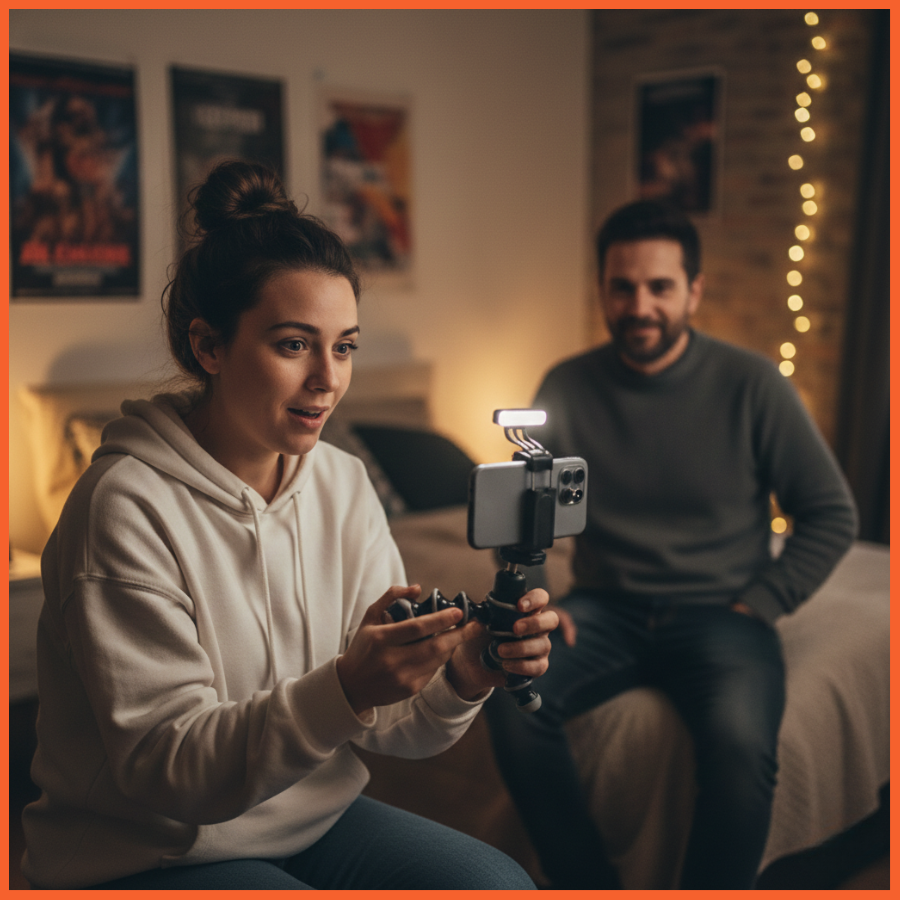
Instead of giving influencers rigid talking points:
- Share your film’s core message
- Explain why the story matters
- Let them communicate it in their own voice
User-generated storytelling—reaction videos, personal reflections, or “why this film stayed with me” posts—creates emotional resonance that traditional marketing simply can’t replicate.
6. Time Collaborations Strategically
Micro-influencer campaigns work best when aligned with key moments in your film’s lifecycle:
- Trailer release
- Festival premiere
- Award announcements
- Streaming or VOD release
Stagger posts rather than launching everything at once. A steady stream of organic buzz keeps your film visible longer and builds momentum instead of burning out attention.
7. Track Engagement, Not Just Reach
Success isn’t about vanity metrics.
Instead, monitor:
- Comments and conversations
- Shares and saves
- Click-throughs to your site or trailer
- Follower growth on your own channels
Micro-influencers often drive deeper engagement even with fewer views. Those conversations are where true audience-building happens.
8. Build Long-Term Advocacy, Not One-Off Posts
The most powerful influencer relationships extend beyond a single campaign.
Stay connected. Keep them updated on:
- Festival wins
- Distribution news
- Future projects
When influencers become long-term supporters, they evolve into champions for your work—and your career—not just one film.
Why Story Comes First in Film Marketing
Marketing can amplify a film—but only if the story resonates.
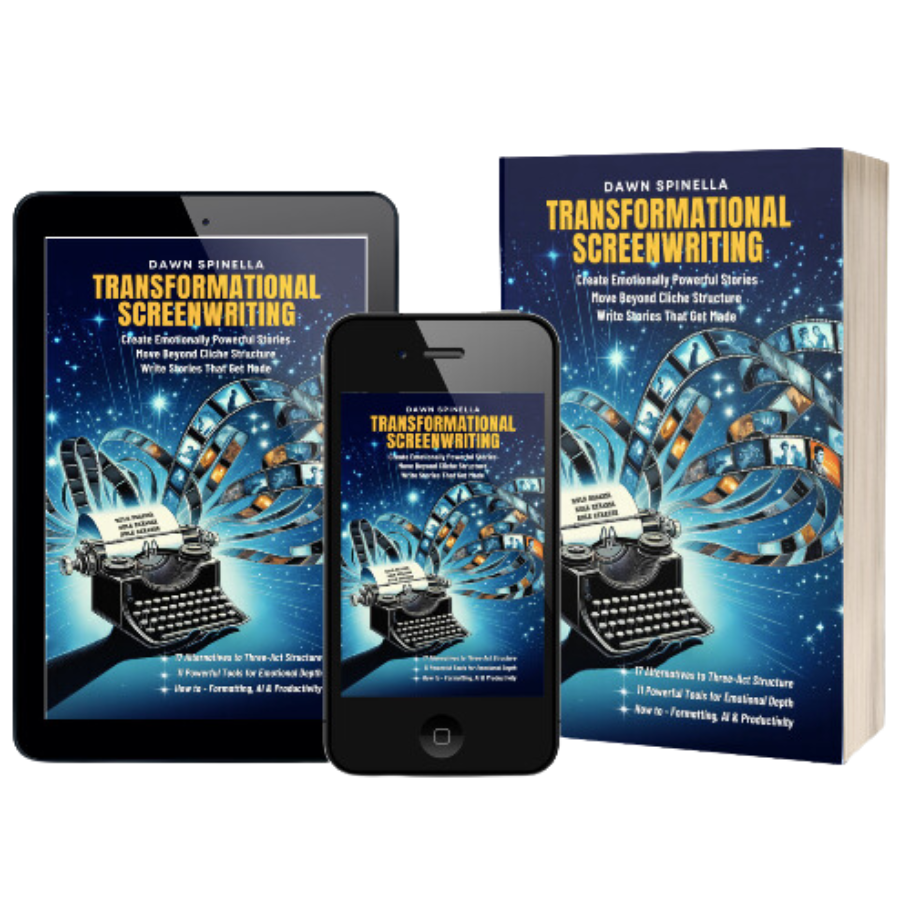
Transformational Screenwriting focuses on crafting stories rooted in character change, emotional truth, and thematic depth. When your film delivers a genuine transformation, it becomes easier for micro-influencers to connect with it—and to communicate its impact authentically to their audiences.
Influencers don’t just promote films they see—they promote films they feel.
When your narrative is emotionally grounded and purpose-driven, marketing stops feeling like promotion and starts feeling like shared storytelling.📘 Discover more on Amazon:Transformational Screenwriting