
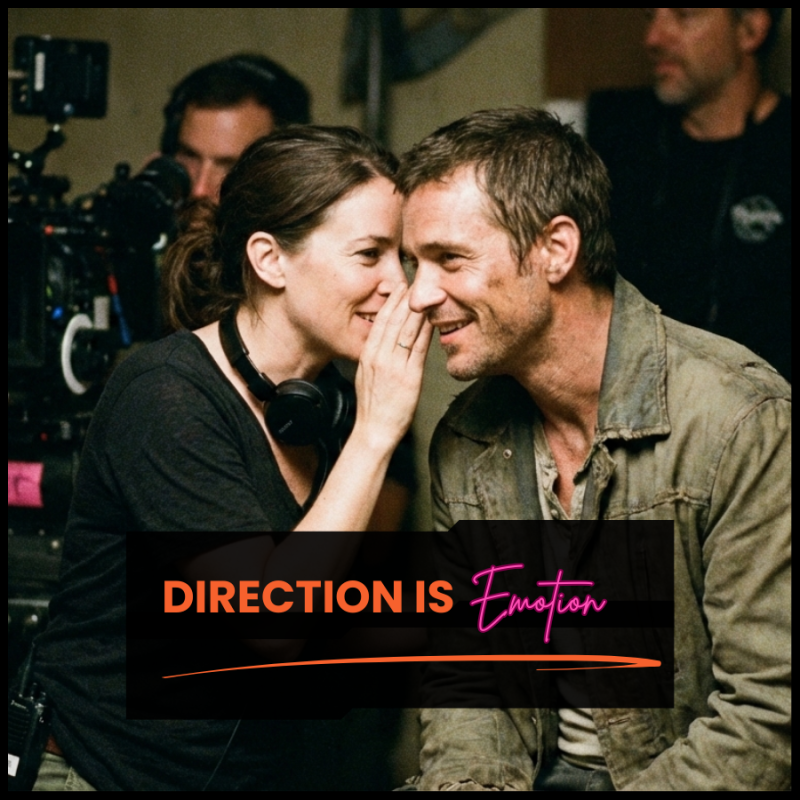
Directing isn’t just about blocking scenes or choosing camera angles—it’s about guiding emotion. For indie filmmakers, where budgets are lean and spectacle is limited, emotional direction becomes your greatest tool. Audiences forgive rough edges when they feel something real.
Directing through emotion means making creative choices that prioritize how a scene feels over how it looks on paper. When emotion leads, performances deepen, scenes resonate longer, and stories linger.
Here are five powerful ways indie filmmakers can direct through emotion—and elevate every frame without spending more money.
1. Start With the Emotional Objective, Not the Action
Before discussing blocking or dialogue, define what the character needs emotionally in the scene.
Ask yourself—and your actors:
- What does the character want emotionally right now?
- What are they afraid of losing?
- What emotional shift should occur by the end of the scene?
When actors understand the emotional objective, their choices become instinctive rather than mechanical. This approach also gives you flexibility—if a line or movement changes, the emotional throughline remains intact.
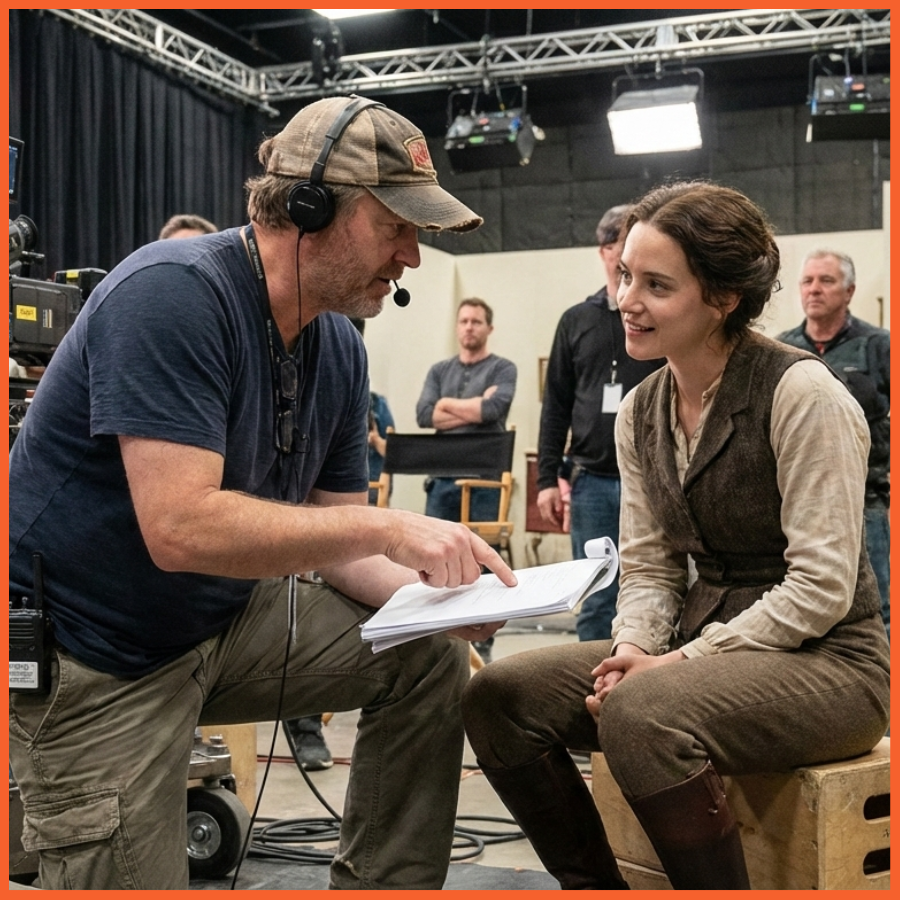
Image suggestion after #1: A director quietly talking with an actor between takes, focusing on facial expression and emotional intent rather than technical setup.
2. Direct Behavior, Not Line Readings
One of the fastest ways to flatten a performance is by telling an actor how to say a line. Instead, redirect behavior.
Try giving notes like:
- “Avoid eye contact until the last line.”
- “You’re trying to keep control, even though you’re cracking inside.”
- “Say it like you don’t want them to see how much this hurts.”
Behavior-based direction keeps performances alive and layered. Emotion emerges naturally when actors play intention instead of volume.
3. Use Environment to Amplify Emotion
Your locations aren’t just backdrops—they’re emotional amplifiers.
Consider:
- Tight spaces to heighten anxiety or intimacy
- Open, empty spaces to emphasize isolation
- Practical obstacles (doors, crowds, noise) that increase emotional pressure
When the environment supports the character’s inner state, emotion becomes visual—without extra dialogue.
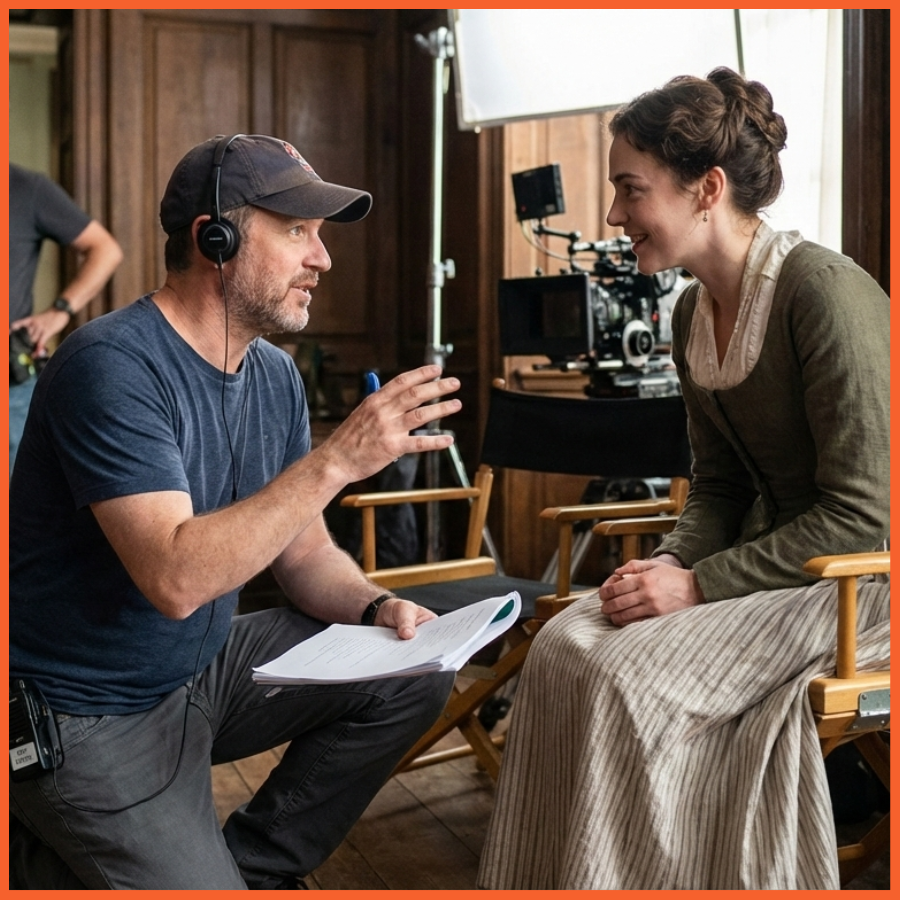
Image suggestion after #3: A lone character framed in a wide, empty location or confined in a tight space, visually reinforcing emotional tension.
4. Let Silence Do the Heavy Lifting
Indie films often feel more powerful when they trust quiet moments.
Silence allows:
- Emotional processing
- Subtext to surface
- Audiences to lean in
As a director, resist the urge to fill every beat. Hold the moment a second longer. Let the actor sit in the emotion. Often, what happens after the line is more impactful than the line itself.
Silence is free—and incredibly cinematic.
5. Shape Emotion in the Edit Before You’re on Set
Directing through emotion starts long before production.
In prep, ask:
- Where does emotional pressure rise?
- Where should it release?
- Which scenes need restraint—and which need emotional rupture?
When you understand the emotional rhythm of your film, you can direct scenes with clarity and confidence. Actors feel that intention, and performances align naturally with the story’s emotional arc.
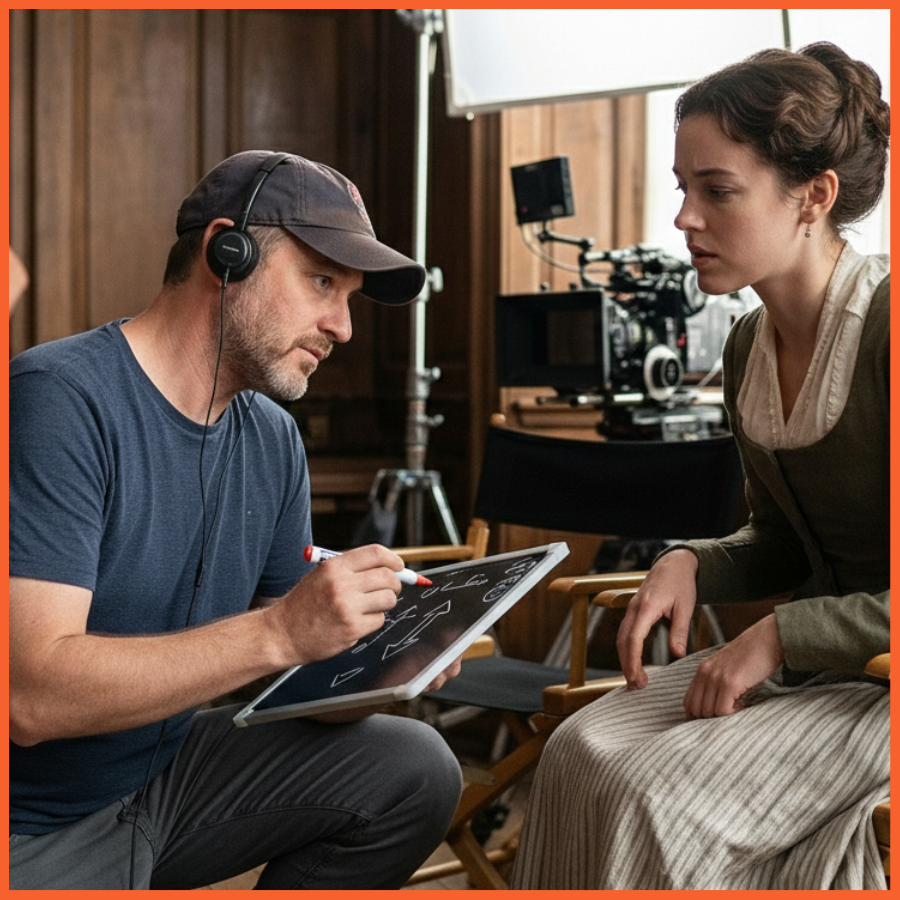
Image suggestion after #5: A director reviewing a script or storyboard with emotional beats marked, emphasizing planning and intention.
Why Emotional Direction Matters More Than Budget
Audiences don’t connect to equipment—they connect to emotion.
By directing through emotion, indie filmmakers:
- Get stronger performances without more takes
- Create memorable moments with minimal resources
- Build stories that resonate beyond production value
Emotion is your most powerful directing tool—and it’s always available.
Transformational Screenwriting: Directing Emotion With Purpose
Directing through emotion works best when the script itself is emotionally intentional. Transformational Screenwriting emphasizes character evolution, emotional cause-and-effect, and inner change as the engine of story.
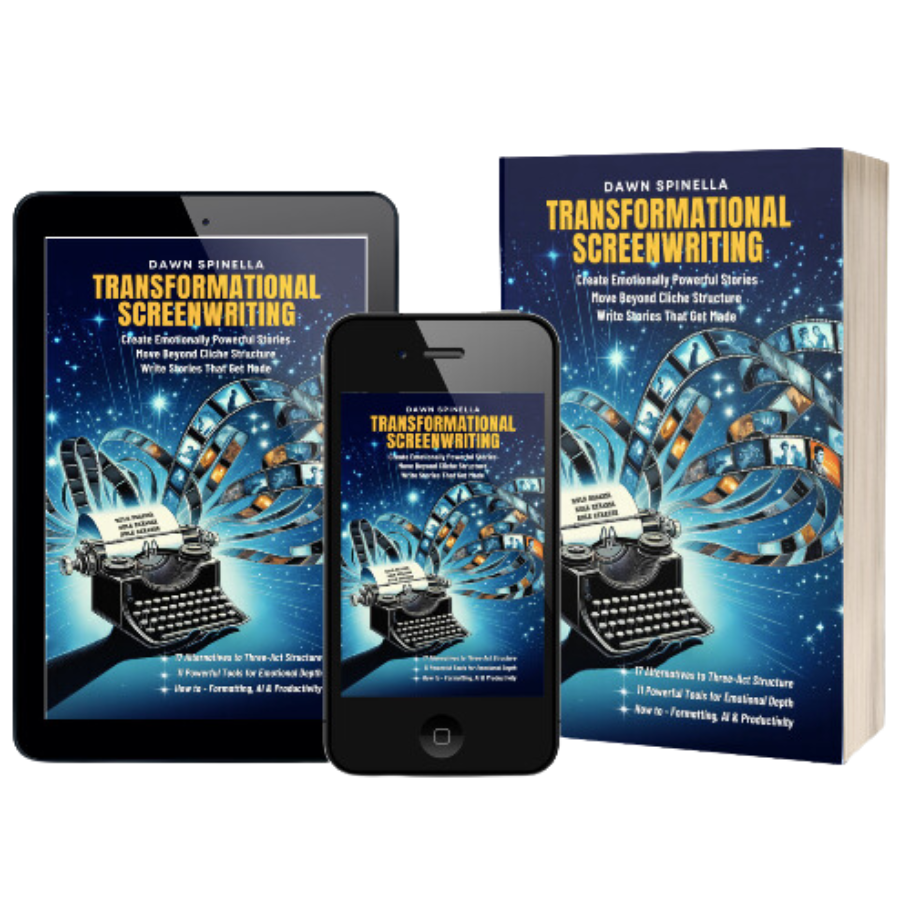
When directors understand the emotional blueprint beneath the script, they can guide performances with clarity and purpose—ensuring every scene moves the character (and audience) forward.
Strong direction doesn’t just show us what happens. It makes us feel why it matters.
📘 Discover more on Amazon: Transformational Screenwriting