

Great stories don’t just happen—they evolve emotionally.
Audiences may forget plot twists or clever dialogue, but they always remember how a story made them feel. That emotional impact comes from characters who change in meaningful ways. One of the most effective tools for achieving that depth is something many filmmakers overlook: emotional blueprints.
An emotional blueprint is a deliberate emotional roadmap for your character—where they begin emotionally, what challenges their inner world, and how they transform by the end. When used intentionally, emotional blueprints help you design character journeys that feel authentic, layered, and deeply satisfying.
This guide breaks down how to use emotional blueprints to shape stronger character journeys—whether you’re writing a feature, short film, or series.
1. What Is an Emotional Blueprint?

An emotional blueprint is not a plot outline. It’s a psychological and emotional map that tracks how a character feels, believes, and responds at key moments in the story.
Instead of asking:
- What happens next?
You ask:
- How does this moment affect who they are becoming?
A strong emotional blueprint identifies:
- The character’s emotional starting point
- Their core emotional wound or belief
- The emotional pressures that challenge that belief
- The internal shift that occurs by the end
Think of it as the emotional architecture beneath the plot.
2. Define the Character’s Emotional Baseline
Every journey begins with emotional truth. Before your story disrupts anything, your character exists in a familiar emotional state—often one that feels “normal” to them, even if it’s unhealthy.
Ask:
- What emotional state does the character live in daily?
- What belief about themselves or the world keeps them stuck?
- What emotional need are they unaware of?
Examples:
- A filmmaker afraid of failure hides behind perfectionism.
- A protagonist avoids intimacy after past betrayal.
- A leader masks insecurity with control.
This baseline gives the audience a reference point. Without it, growth feels unearned.
3. Identify the Emotional Wound Driving the Story
At the heart of every compelling character journey is an unresolved emotional wound—something that happened before the story began but still shapes the character’s choices.
This wound might be:
- Abandonment
- Loss
- Shame
- Guilt
- Fear of rejection
- A broken promise

Your emotional blueprint should clearly define:
- What hurt them
- What false belief they formed because of it
- How that belief limits them
This wound fuels conflict, resistance, and internal tension throughout the story.
4. Align External Conflict With Internal Struggle
Plot works best when it pressures the character’s emotional weaknesses.
Every obstacle should:
- Test the character’s core belief
- Force them to confront what they avoid
- Create emotional consequences for inaction
For example:
- A character who avoids responsibility is forced into leadership.
- A character who fears vulnerability must ask for help.
- A character who believes they’re unworthy must risk being seen.
When external events challenge internal beliefs, emotional momentum builds naturally—without melodrama.
5. Track Emotional Turning Points (Not Just Plot Beats)
Many scripts track structure but ignore emotional shifts.

Your emotional blueprint should identify:
- Moments where the character resists change
- Moments where they almost change—but retreat
- Moments where emotional pressure peaks
- The moment where internal change becomes unavoidable
These turning points don’t always coincide with major plot events—but they should influence how those events unfold.
A character’s emotional decisions are often more important than what physically happens.
6. Design a Meaningful Emotional Choice at the Climax
Transformation isn’t declared—it’s chosen.
By the climax, your character should face a choice that forces them to either:
- Hold onto their old belief and lose something important
- Or let go of it and risk emotional exposure
This is where the emotional blueprint pays off.
The audience should feel:
- Why this choice is difficult
- What it costs emotionally
- How far the character has come
A powerful emotional choice creates resonance that lingers beyond the final frame.
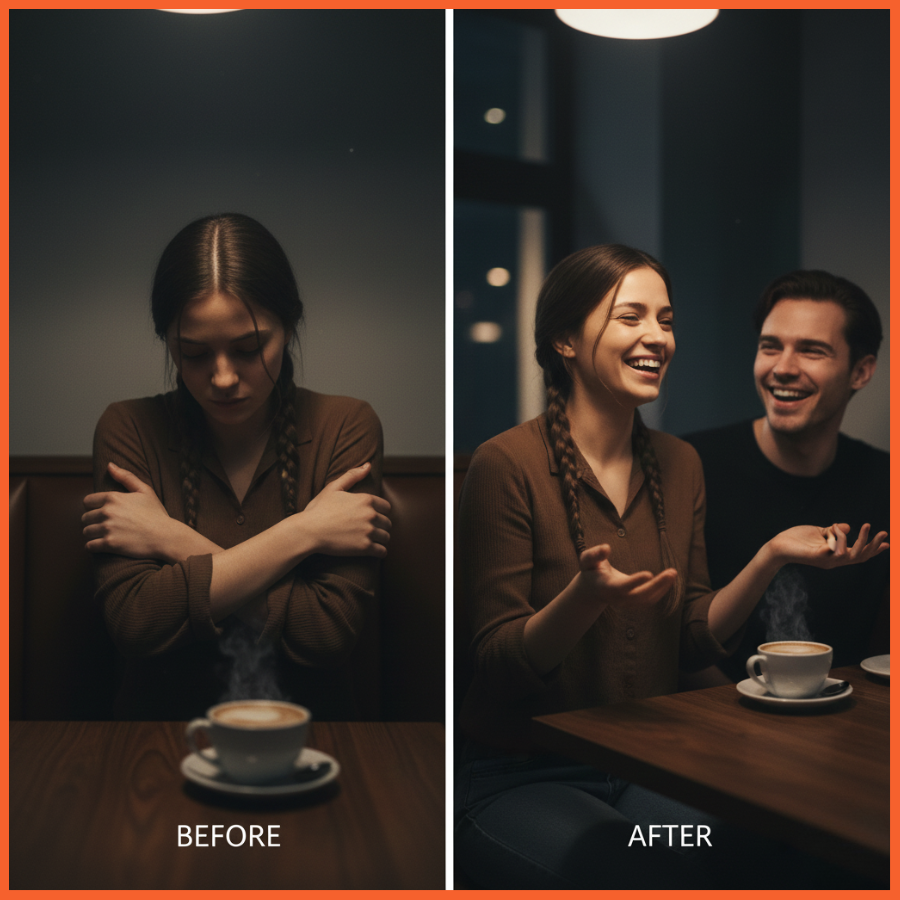
7. Reflect Change Through Behavior, Not Dialogue
One of the biggest mistakes in character arcs is telling the audience the character has changed.
Instead:
- Show change through actions
- Show different emotional responses to familiar situations
- Show restraint where there was impulsiveness—or vulnerability where there was fear
Your emotional blueprint should guide:
- How the character behaves in the final scenes
- How relationships shift
- How the world feels different because they are different
Subtlety makes transformation believable.
8. Use Emotional Blueprints to Maintain Consistency
An emotional blueprint acts as a compass during rewrites.
When scenes feel off, ask:
- Does this moment support the character’s emotional journey?
- Is this reaction consistent with where they are emotionally?
- Does this scene advance emotional change—or stall it?
This prevents:
- Random emotional swings
- Inconsistent character behavior
- Arcs that feel rushed or incomplete
Consistency is what makes emotional journeys feel earned.
9. Apply Emotional Blueprints Across Formats
Emotional blueprints aren’t just for features.
They work for:
- Short films (compressed but powerful arcs)
- Web series (episode-to-episode emotional progression)
- TV pilots (clear emotional starting point with long-term potential)
No matter the format, audiences connect through emotion first.
Transformational Screenwriting: Designing Emotion With Purpose
Emotional blueprints are a foundational element of Transformational Screenwriting—an approach that prioritizes meaningful inner change over surface-level plot mechanics.
Transformational Screenwriting focuses on:
- Character evolution as the engine of story
- Emotional cause-and-effect
- Aligning theme, structure, and character growth
When your characters transform authentically, your story gains depth, clarity, and lasting impact. Emotional blueprints ensure every scene contributes to that transformation—making your script stronger, more focused, and far more resonant.
Strong stories don’t just entertain.
They change us—because they first change the characters we follow.📘 Discover more on Amazon:Transformational Screenwriting