

A Practical Guide for Creators Building Compelling, Cohesive Worlds
Whether you’re pitching a web series, developing an indie episodic project, or building a longer-form story arc, a Series Bible is one of the most essential tools in your creative toolkit. It keeps your narrative world consistent, helps collaborators instantly understand your vision, and shows producers you’ve thought through the long-term potential of your project.
A polished Series Bible doesn’t just outline your show—it sells it. Here’s how to write one that is clear, compelling, and production-ready.
1. Start With a Strong Logline and Series Overview
Your Series Bible opens with your show’s identity in one or two punchy paragraphs.

Include:
- Logline: What the show is about in 1–2 sentences
- Tone & Style: Dark comedy? Soft sci-fi? Grounded drama?
- Format: Episode count + runtime (e.g., 8×10 min)
- Genre: What bucket it fits in, and what twist makes it unique
- Series Promise: What the audience can expect emotionally & narratively
This section is your elevator pitch—make it tight and memorable.
2. Build a Compelling World
Whether your series takes place in a quiet small town, a fantasy realm, or a stylized version of modern life, your world needs rules.
Cover:
- Setting details (time period, geography, social dynamics)
- World tone (gritty realism, heightened satire, neon sci-fi)
- Cultural elements (laws, systems, traditions, conflicts)
- Visual + thematic identity
Think of this section as a blueprint for your show’s atmosphere. It helps keep your episodes tonally consistent.
3. Craft Strong Character Profiles
Each major character should have a one-page profile.
Include:
- Name, age, role in the story
- Core personality traits
- Motivation & internal conflict
- Backstory (essential details only)
- Transformation over the season
- Key relationships
Your characters ARE your series. Producers want to see that you know who they are and where they’re going.

4. Outline the Season Arc
This section shows the big picture: how your story unfolds over the season.
Include:
- Inciting incident
- Major turning points
- Mid-season escalation
- Climax
- Resolution
You don’t need every detail—just the major beats that show your story has structure and forward motion.
5. Create Episode Breakdowns
For web and indie series, keep these short and sharp.
For each episode, include:
- Episode title
- 1–2 sentence synopsis
- Primary conflict
- Key character moments
Producers want to see momentum. Each episode should clearly push the story forward.

6. Add Visual References
Mood boards are optional—but they elevate your Bible instantly.
You can include:
- Color palettes
- Set and costume inspirations
- Cinematic imagery
- Framing/camera references
Just avoid using copyrighted film stills unless you own them or they are licensed.
7. Clarify Themes and Series DNA
Themes unify your storytelling.
Examples:
- Survival vs. humanity
- Visibility vs. anonymity
- Power, identity, reinvention
Themes show producers the emotional core beneath the plot.

8. End With Future Seasons
Even short web series benefit from this.
Provide:
- 1–2 paragraphs on long-term potential
- Major arcs planned for seasons 2–3
- Growth of themes, characters, and conflicts
This helps buyers and collaborators see franchise potential.
Transformational Screenwriting: Strengthen Your Series at Its Core
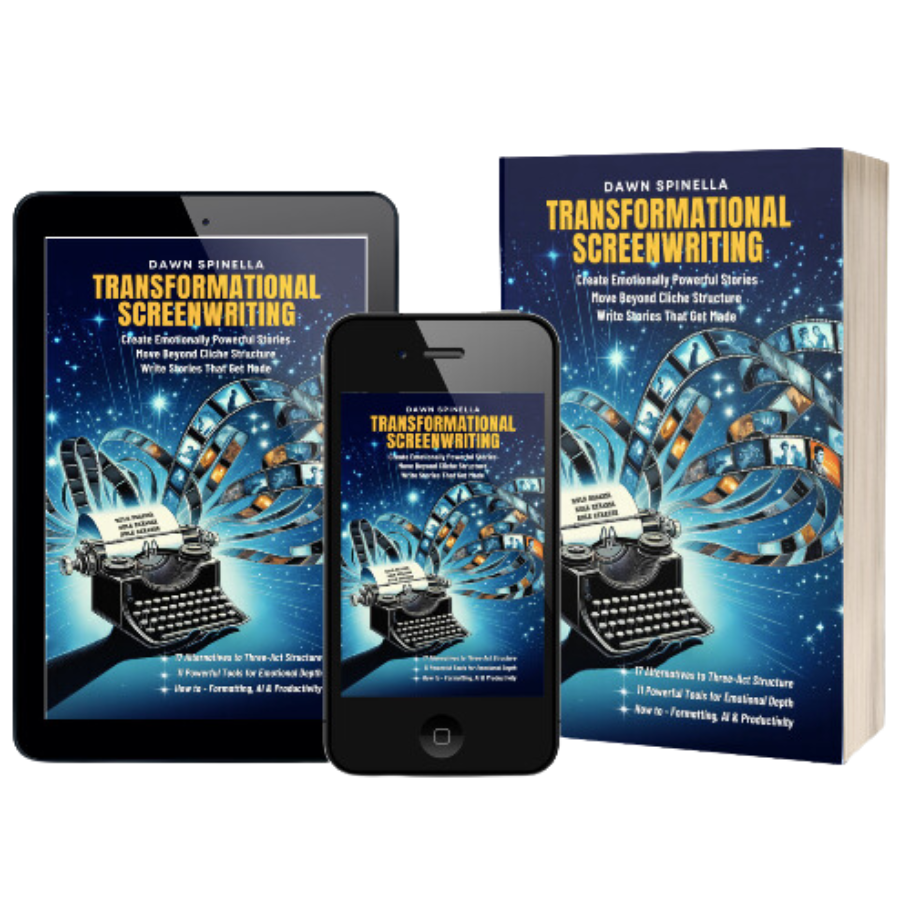
Your Series Bible works best when your storytelling foundation is solid.
That starts on the page.
Transformational Screenwriting emphasizes emotional authenticity, character evolution, and narrative clarity—ensuring your story resonates deeply before you ever outline episodes or character arcs.
A strong script and a strong Series Bible work together to communicate your vision clearly and confidently.
📘 Discover more on Amazon: Transformational Screenwriting